
Eddy Current Testing Equipment: Revolutionizing Non-Destructive Testing
Eddy Current Testing (ECT) is a sophisticated and non-invasive method used for inspecting the integrity of materials, particularly metals. It’s a vital technique employed in various industries such as aerospace, automotive, energy, and manufacturing, offering the advantage of rapid inspection without damaging the material under test. Eddy current testing equipment is designed to detect surface and sub-surface flaws, thickness measurement, and conductivity testing. The principle behind eddy current testing relies on inducing a magnetic field in a conductor and measuring the resulting eddy currents’ reaction. By understanding the alterations in these currents, the equipment identifies material anomalies, such as cracks or corrosion. These devices are a cornerstone in modern industry, ensuring safety, reliability, and efficiency. Eddy current testing equipment includes a range of sophisticated instruments that are easy to use, portable, and highly sensitive. These devices typically consist of a probe, an oscillator, and a display unit. The probe emits a magnetic field that induces eddy currents in the material being tested. Changes in these currents, caused by flaws or variations in material properties, are detected and displayed for analysis. Modern systems provide real-time feedback, enabling quick and accurate assessments.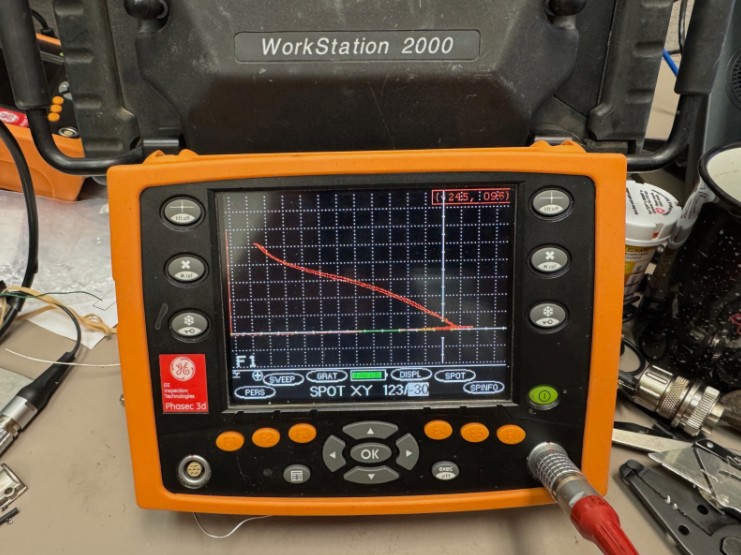
Eddy Current Flaw Detectors: Precision in Detecting Flaws
Eddy current flaw detectors are specialized instruments designed to identify flaws in conductive materials, such as cracks, corrosion, and inclusions. These detectors generate eddy currents in the material and analyze the resulting signal changes caused by defects. Their precision allows operators to detect even the smallest imperfections.
These devices can identify both surface and subsurface defects that may not be visible to the naked eye. Equipped with advanced software and signal processing capabilities, eddy current flaw detectors distinguish between minor corrosion and significant structural damage, ensuring accurate evaluations.
One of the primary advantages of eddy current flaw detectors is inspection speed. Large areas can be scanned efficiently, making them ideal for time-sensitive inspections such as aircraft components or pipeline systems. Their portability also supports on-site testing, reducing downtime and eliminating the need for extensive disassembly.
Portable Eddy Current Instruments: Flexibility for On-Site Inspections
Portable eddy current instruments are compact and lightweight devices designed for field use. They offer high-accuracy performance in a mobile format, making them ideal for inspections in remote or hard-to-access locations.
Designed for ease of use and versatility, portable instruments allow technicians to conduct inspections quickly without complex setup procedures. They are widely used for routine maintenance, troubleshooting, and quality control in industries such as aerospace and manufacturing.
These instruments support multiple testing functions, including surface crack detection, thickness measurement, coating analysis, and conductivity testing. Their compatibility with various probe types and frequencies ensures adaptability across different inspection requirements.
Eddy Current Testing Software: Enhancing Accuracy and Efficiency
Eddy current testing software plays a crucial role in modern inspection systems by analyzing and interpreting signals generated during testing. It converts raw data into actionable insights such as defect size, depth, and location.
Advanced algorithms and signal processing techniques improve detection sensitivity and reduce noise interference. Many software systems provide graphical displays, charts, and even 3D visualizations to simplify data interpretation.
Automation features within the software can detect anomalies, classify defects, and generate reports. Data logging capabilities help organizations maintain compliance records, perform trend analysis, and support audit requirements.
Eddy Current Automation: Streamlining the Testing Process
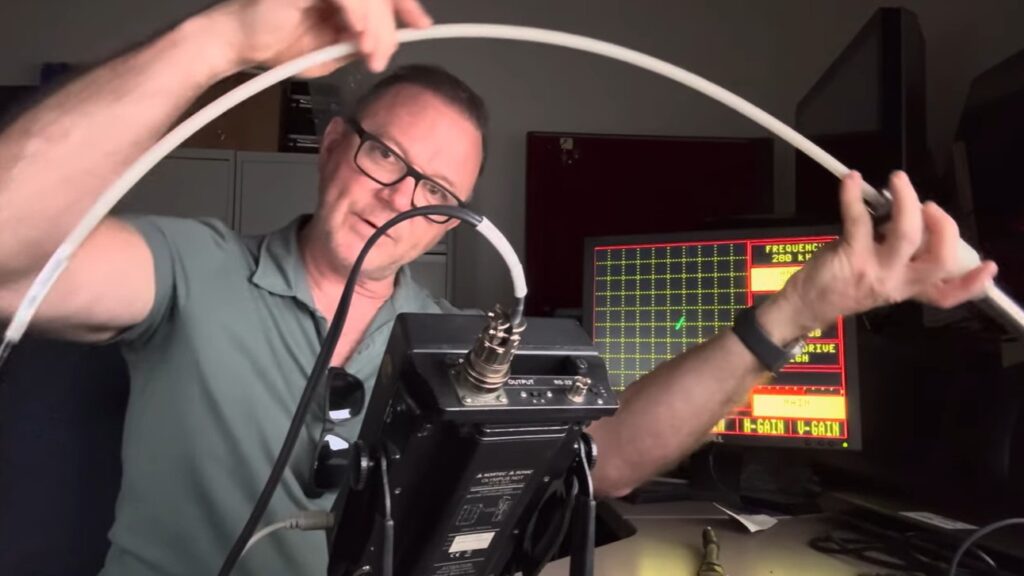
Eddy current automation integrates testing equipment with robotic systems or automated platforms to enhance inspection speed and consistency. Automated systems reduce manual intervention and deliver uniform, repeatable results.
In high-volume manufacturing environments, automation ensures continuous and consistent inspections. These systems can be customized for specific applications across industries such as automotive, aerospace, and energy.
The integration of artificial intelligence and machine learning further enhances automated systems by enabling real-time analysis and adaptive inspection processes. These advanced technologies improve defect detection accuracy and overall efficiency.
The Future of Eddy Current Testing
Eddy current testing remains one of the most powerful and reliable non-destructive testing methods available today. With advancements in equipment design, portable instrumentation, software integration, and automation, the technology continues to evolve and meet modern industrial demands.
By investing in advanced eddy current testing equipment and embracing innovative technologies, industries can ensure the highest standards of safety, quality, and operational performance. Whether conducting routine inspections or critical component evaluations, eddy current testing provides a dependable solution for maintaining material integrity.