
In industries where safety, reliability, and equipment performance are critical, inspection quality plays a major role in preventing failures and reducing costly downtime. Heat exchangers, condensers, boilers, and other critical assets require accurate non-destructive testing (NDT) to identify defects before they become serious problems. One of the most effective ways to improve confidence in inspection results is through an Eddy Current Program Review.
An effective review process helps verify inspection procedures, confirms the accuracy of collected data, and ensures that technicians follow established industry standards. When combined with an Eddy Current Independent Data Review, organizations gain an additional level of quality assurance that helps reduce interpretation errors and improve maintenance decisions.
At Eddy Current, we understand the importance of dependable inspection results. Our review services help clients validate their testing programs while improving long-term asset reliability.
What Is an Eddy Current Program Review?
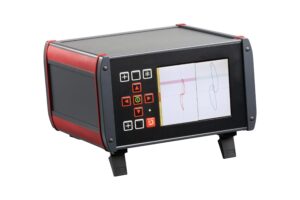
An Eddy Current Program Review is a comprehensive evaluation of an existing eddy current inspection program. Rather than focusing only on the inspection itself, the review examines every stage of the testing process, including equipment setup, calibration procedures, inspection techniques, data interpretation, reporting methods, and overall program effectiveness.
The goal is to ensure inspections consistently produce accurate and repeatable results. Even experienced inspection teams can benefit from periodic program reviews because industry standards, equipment technology, and customer requirements continue to evolve.
A structured review identifies opportunities for improvement while confirming that inspection practices meet quality expectations.
Why Independent Reviews Improve Inspection Accuracy
One of the greatest advantages of an Eddy Current Independent Data Review is objectivity. Independent reviewers analyze inspection data without being influenced by previous interpretations or operational pressures.
Fresh analysis often identifies subtle indications that may require additional evaluation while confirming areas that have been correctly assessed. This additional layer of verification increases confidence in inspection reports and helps plant operators make informed maintenance decisions.
Independent reviews also support quality assurance programs by ensuring that inspection data has been interpreted consistently according to applicable standards and best practices.
The Value of Independant QDA
Many organizations incorporate Independant QDA into their inspection quality programs to strengthen data validation and reporting accuracy. Quality data assessment focuses on reviewing inspection signals, evaluating analyst interpretations, and confirming that reporting aligns with inspection objectives.
An independent quality data assessment helps identify:
- Interpretation inconsistencies
- Calibration concerns
- Reporting discrepancies
- Potential missed indications
- Opportunities to improve inspection procedures
By integrating Independant QDA into routine inspections, organizations can improve confidence in inspection findings while maintaining higher quality standards across multiple inspection campaigns.
Using Historical Data Compare to Track Equipment Condition
Inspection results become even more valuable when they are evaluated over time. A Historical Data Compare allows inspectors and maintenance teams to analyze previous inspection records alongside current testing results.
Instead of treating every inspection as an isolated event, historical comparisons provide valuable insight into how equipment conditions change over multiple operating cycles.
This process helps identify:
- Progressive tube degradation
- Corrosion growth
- Crack propagation
- Wear patterns
- Areas requiring closer monitoring
With a reliable Historical Data Compare, maintenance teams can make better decisions regarding repairs, replacements, and future inspection schedules.
Why Eddy Current Historical Data Compare Matters
An Eddy Current Historical Data Compare goes beyond simply reviewing reports. It compares actual eddy current signal responses collected during previous inspections with current inspection data.
Signal comparison helps distinguish between stable indications and newly developing defects. This allows maintenance planners to focus resources where they are needed most instead of replacing components unnecessarily.
Accurate historical comparisons also support predictive maintenance strategies by identifying gradual changes before they lead to unexpected equipment failures.
Organizations that consistently perform Eddy Current Historical Data Compare often experience improved maintenance planning, reduced outages, and more efficient asset management.
Supporting Better Maintenance Decisions
Inspection quality directly affects maintenance planning. Inaccurate or inconsistent inspection data can lead to unnecessary repairs or overlooked defects that eventually cause equipment failures.
An effective Eddy Current Program Review improves decision-making by ensuring inspection data accurately reflects equipment condition.
Benefits include:
- Improved inspection consistency
- Higher confidence in reported findings
- Better maintenance prioritization
- Reduced risk of unexpected failures
- Greater compliance with quality standards
- Improved asset reliability
- Lower long-term maintenance costs
When combined with Eddy Current Independent Data Review, organizations gain greater assurance that inspection results are dependable and suitable for critical operational decisions.
Continuous Improvement Through Program Reviews
Inspection programs should evolve as equipment ages, operating conditions change, and technology advances. Regular reviews help organizations identify areas where procedures can be updated to improve efficiency and accuracy.
Continuous improvement may include refining inspection techniques, updating calibration methods, improving technician training, enhancing reporting formats, or incorporating advanced analysis tools.
Routine program evaluations also strengthen internal quality systems and demonstrate a commitment to maintaining high inspection standards.
Companies operating in power generation, petrochemical processing, refining, manufacturing, and other industrial sectors benefit significantly from periodic reviews that ensure inspection programs remain effective and aligned with current industry expectations.
Partner with Eddy Current for Reliable Inspection Quality
Maintaining reliable inspection data requires more than advanced testing equipment. It requires experienced professionals who understand data interpretation, quality assurance, and long-term equipment performance.
At Eddy Current, our team provides comprehensive Eddy Current Program Review services designed to improve inspection accuracy, validate inspection procedures, and strengthen quality assurance programs. Through detailed Eddy Current Independent Data Review, Independant QDA, Historical Data Compare, and Eddy Current Historical Data Compare, we help organizations gain greater confidence in their inspection results.
Whether your goal is improving maintenance planning, reducing operational risk, or enhancing inspection consistency, investing in a professional review program is an effective way to maximize the value of your non-destructive testing efforts.